

Analog Tape Decks!
Yes, we still have tape decks at Jackpot! Recording Studio. And they work. -by Larry Crane

When Jackpot! Recording Studio first opened, Elliott Smith and I both were recording exclusively to analog tape. He’d had a brief foray into digital recording (Tascam DA-88 [or 38?] tape-based) when doing Heatmiser’s Mic City Sons album, where technical issues slowed the process down and created problems (though the record sounds fantastic). I’d seen the early pre-Pro Tools systems and knew someday that digital recording would take over audio production, but I wasn’t much interested in that world in 1997. We both had TASCAM 38 8-track decks, as written about here before. We also both mixed to Panasonic DAT decks (3700 and 3800). These were annoying Digital Audio Tape decks that recorded stereo to little VHS-looking tapes that frequently didn’t work properly. But that’s another story…
Elliott and I continued to use the two TASCAM 38 8-tracks until I bought an MCI JH-16 2-inch, 16-track tape deck. It was bigger than a washing machine. It also had no tape counter, so I never knew where I was in a song until I had a custom tachometer-based tape counter built for it. “Oh shit, that was chorus two,” was a frequent cry.
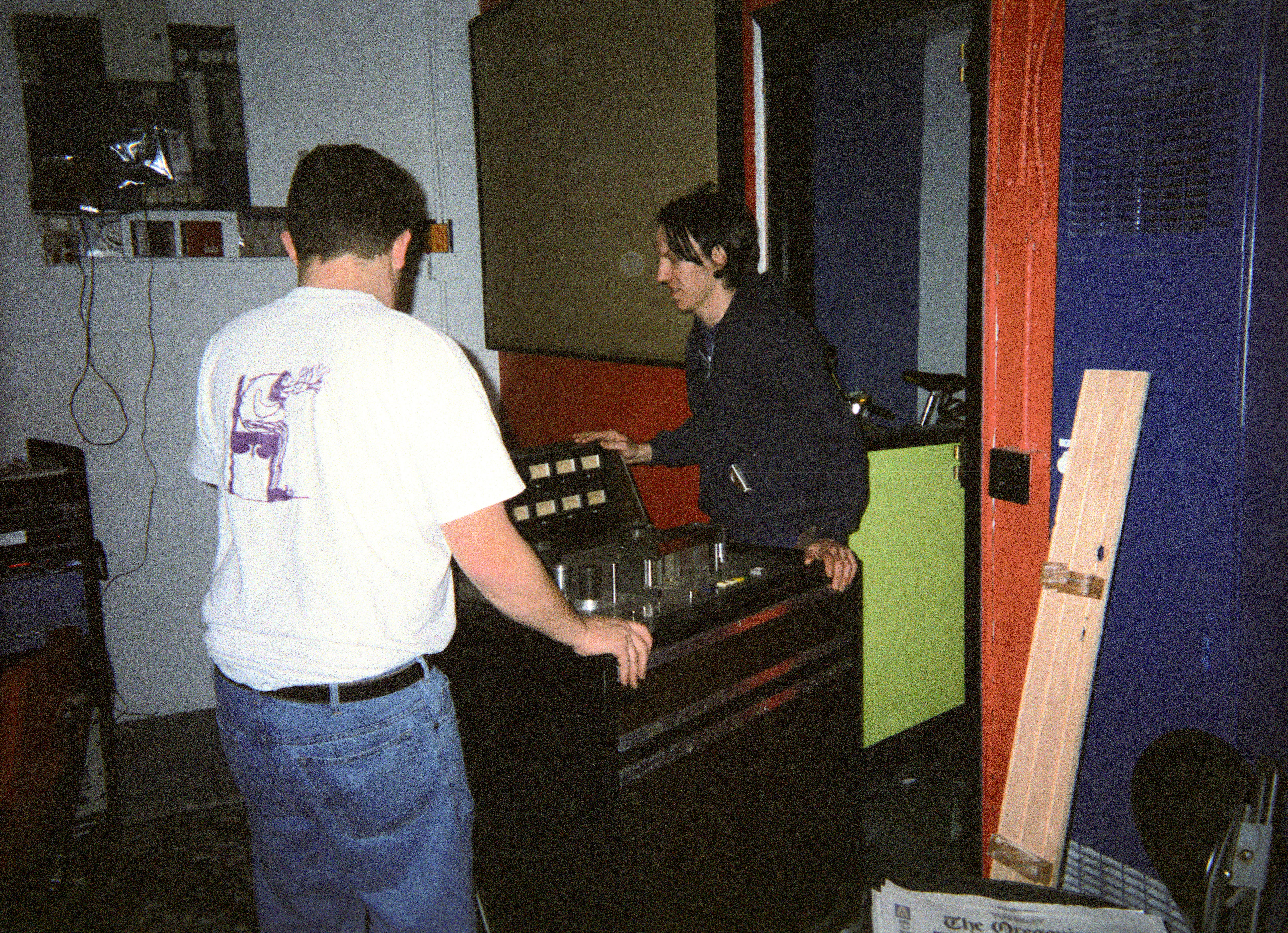
I’m pretty sure the JH-16 was MCI’s first 2-inch tape deck and the first 16-track they made. 16-track came before 24-track decks in the early ‘70s. There were versions of this deck later with a cast metal deck plate (the JH-114 transport) that was more immune to warping, which would set the reel platens askew. Imagine that.
Dealing with the JH-16 was an utter nightmare. My patient pal, Craig Alvin, would end up spending many stressful days helping me keep the damn thing running. I am still trying to forget what I learned about replacing magnetic reed switches, burnishing relays, and replacing diode-based bridge rectifiers. I have never since taken for granted a tape deck that just simply works and acts stable. I do have to give extreme credit to Mike Everhart, a local repair tech who has been helping me since Jackpot! opened. His patience and knowledge has kept all our tape decks running for decades.
A stable deck is what I ended up getting. On our sessions with Sleater-Kinney for All Hands on the Bad One, producer John Goodmanson brought his Otari MX-80 24-track, 2-inch deck down from John & Stu’s in Seattle, and we tracked to that deck. I was in love! A real counter that used minutes instead of random numbers? Wow! A stable tape transport? Nice! A deck that didn’t emit sparks when punching in? How pleasant! In 2000, when The Go-Betweens came in they requested a 24-track deck, so I rented Craig Alvin’s MX-80. After this session, I found one for $10,000 in L.A., bought it, and had it shipped up. It was beat up. The broker, like many back then, was a bit of a jerk about it. But it did work. Craig soon decided to sell his MX-80, and I bought it as well and made it the main deck. I ran into John French at an AES Show in NYC, and asked him if he’d ever seen an Otari 16-track head stack assembly. He found a new old stock (NOS) one for me for $3500. Around 2008/9 someone dropped me a line with another MX-80 that was set up as a 16-track, and it was about 1/4 the price of my initial deck, so I bought that one too. Now we have two MX-80s set up and patched into our patch bay ready to go. One is the 16-track and the other the 24-track. The original, beat up MX-80 sits in my garage covered in a tarp and is now what’s known as a “parts deck.”
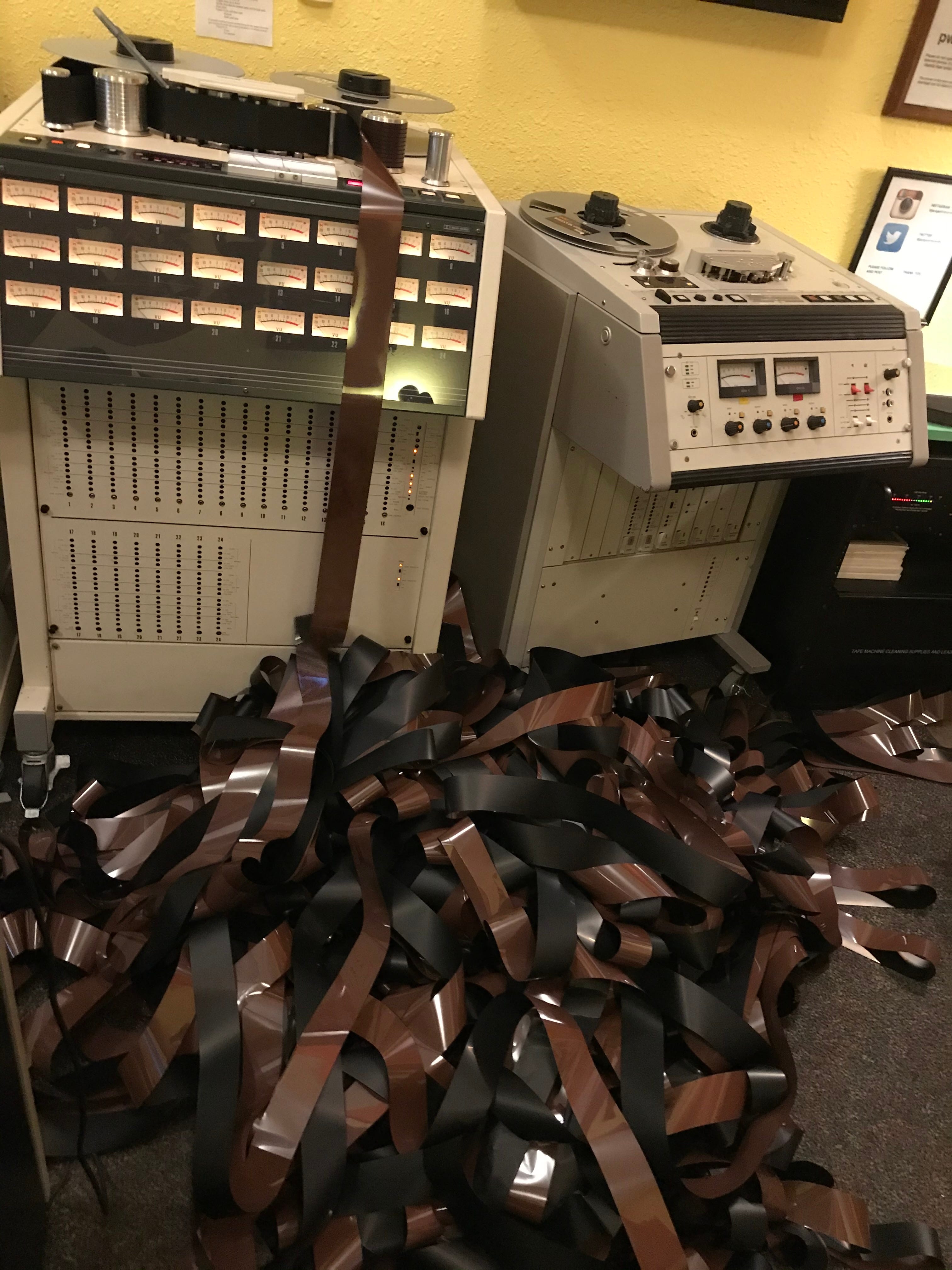
You can see the Otari MTR-10 1/4-inch 2-track deck to the right above. This replaced a VERY finicky MCI JH-110 1/4-inch, 2-track that we had for years. This MTR-10 was purchased from Rick MacMillan’s SuperDigital shop before they closed up. I think it used to be at a radio station. Mixing to tape adds a certain sound, and it’s cool but I’m not always sold that I prefer it to mixing via the console and back into Pro Tools (through our fancy BURL converters). The tape adds character but takes away fidelity. Trust me, I know what I’m hearing. I might write a Tape Op End Rant about tape soon….
Please consider that these Otari MX-80 decks were actually the “low budget” tape decks from Otari and sold for $25,000 new in 1987. That’d be $69,468.31 in today’s economy. The MTR-90 decks were the “nicer” ones, and by all reports sound a little better in the low end. But man, I’ll take the stability of these Japanese-made beauties. I call them “the Toyotas of tape decks,” as they share the same country of origin and the same quality of build – they just keep running. Note: I’ve also owned at least four Toyotas.
We still use the tape decks at Jackpot! on sessions. Sometimes we’ll track to tape, then transfer that to Pro Tools, and thus use the limiting and such that tape adds to help rein in drum sounds and add some vintage tones. We have some clients that come to use specifically because we do have working tape decks. Not many studios have fully-working decks, especially two of the same type where we can swap audio cards and head stacks and keep working if something goes haywire! We also do tape transfers to digital for clients that wish to archive their music.
Tape decks were a big part of Jackpot! Recording Studio when we opened, and they still inform the aesthetic of the studio even when they are sitting there, powered down. The analog way of working is an important step in making great records, and great records are what we seek to make! Tape, digital, etc. It’s gotta sound good!
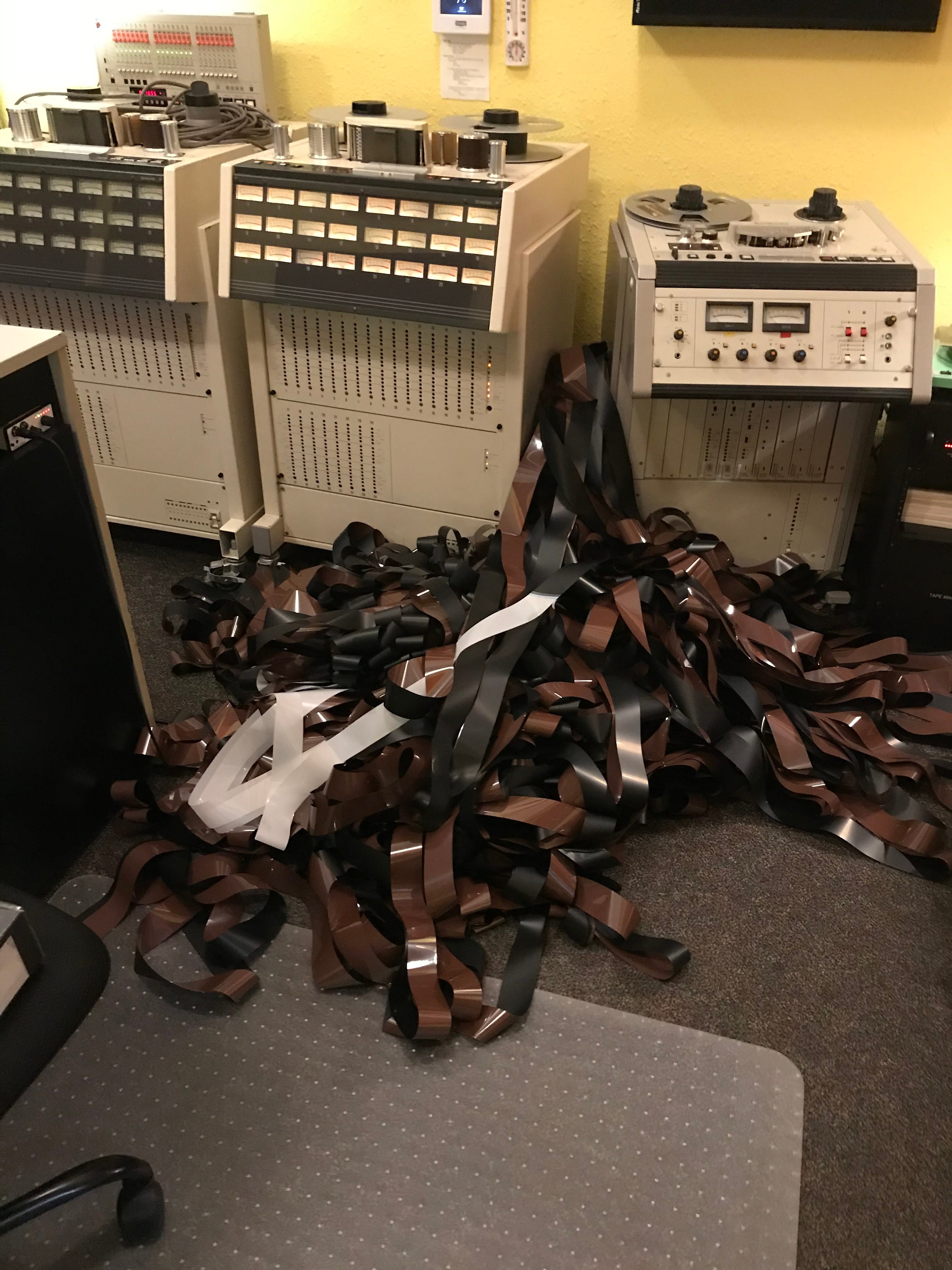
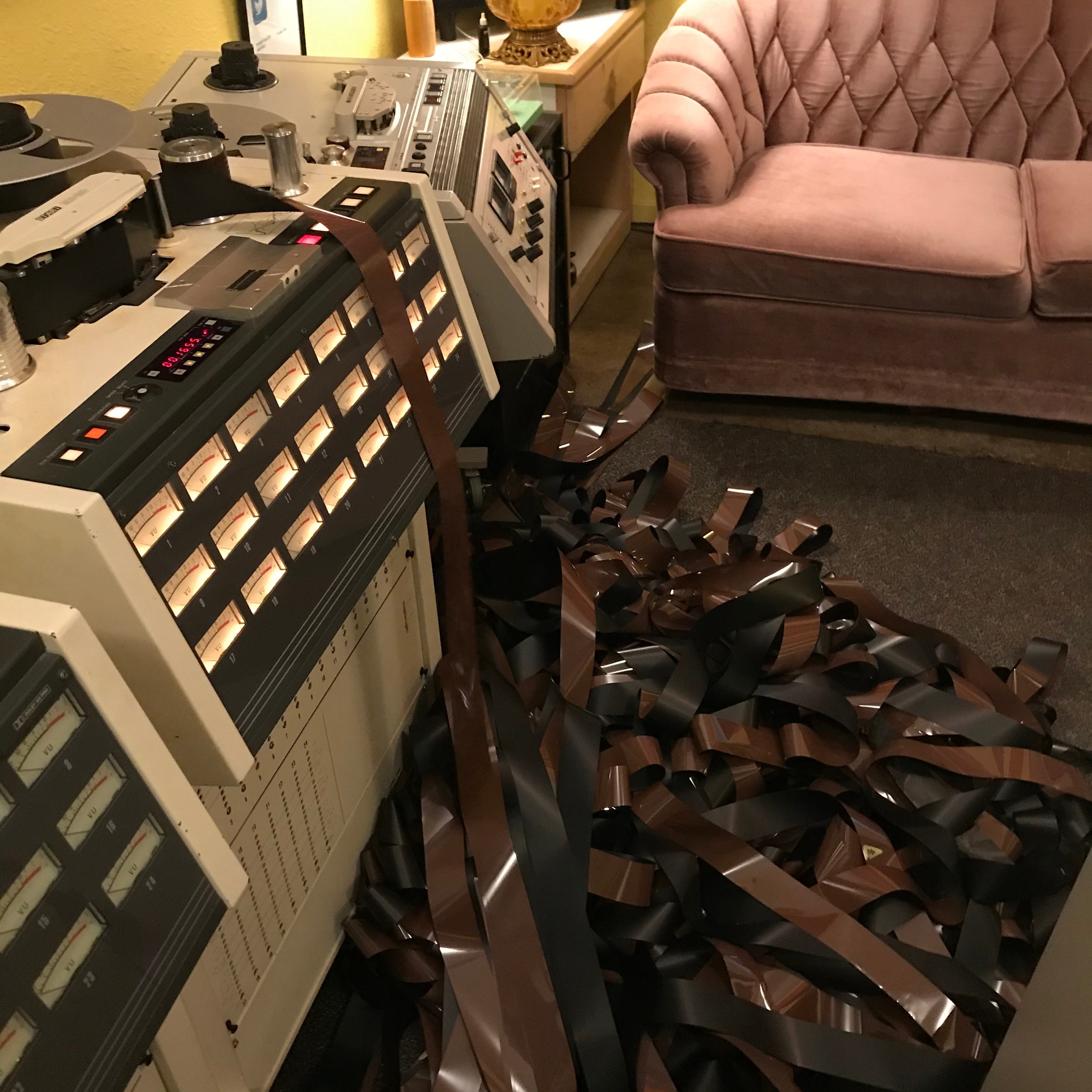
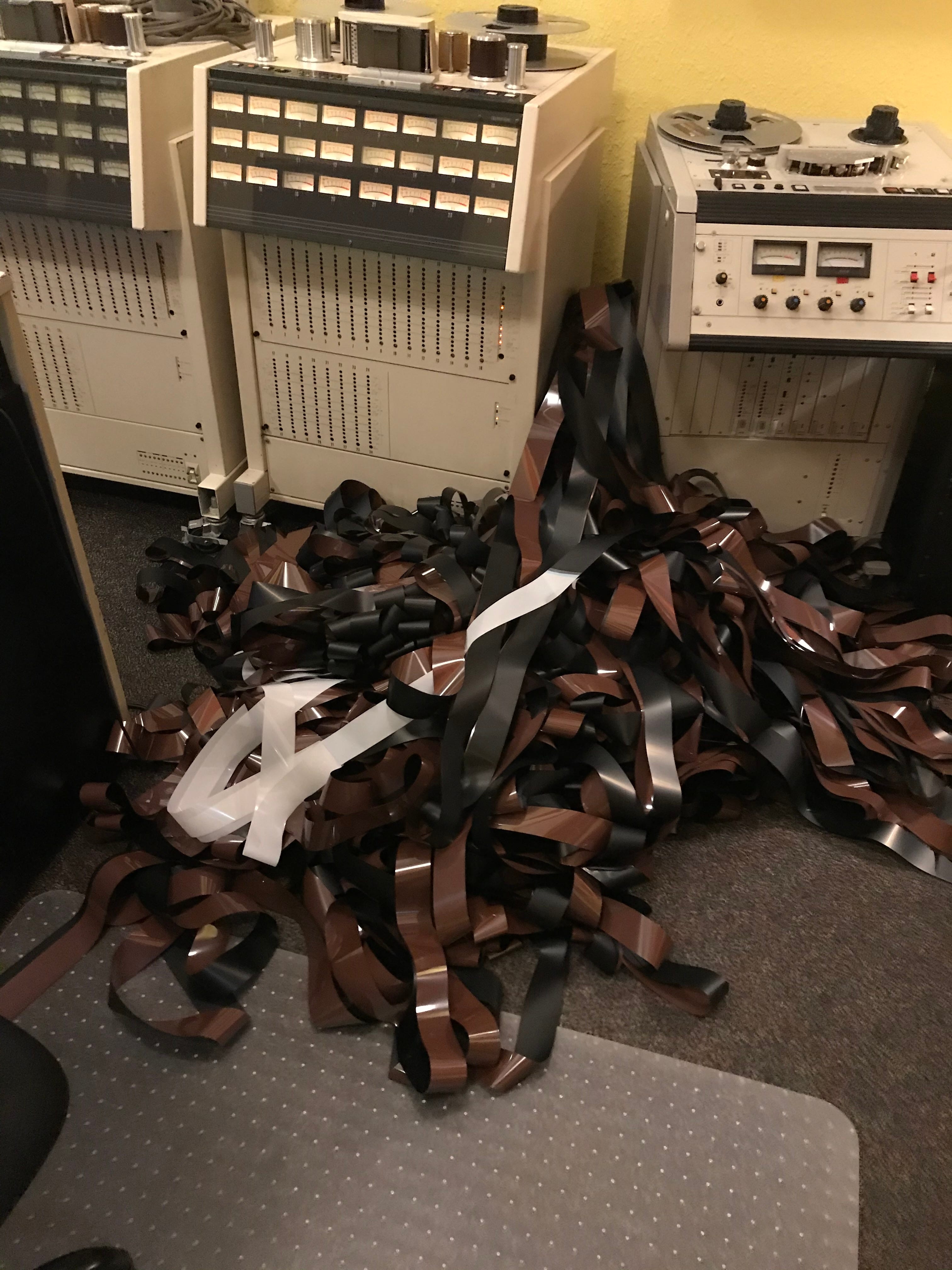
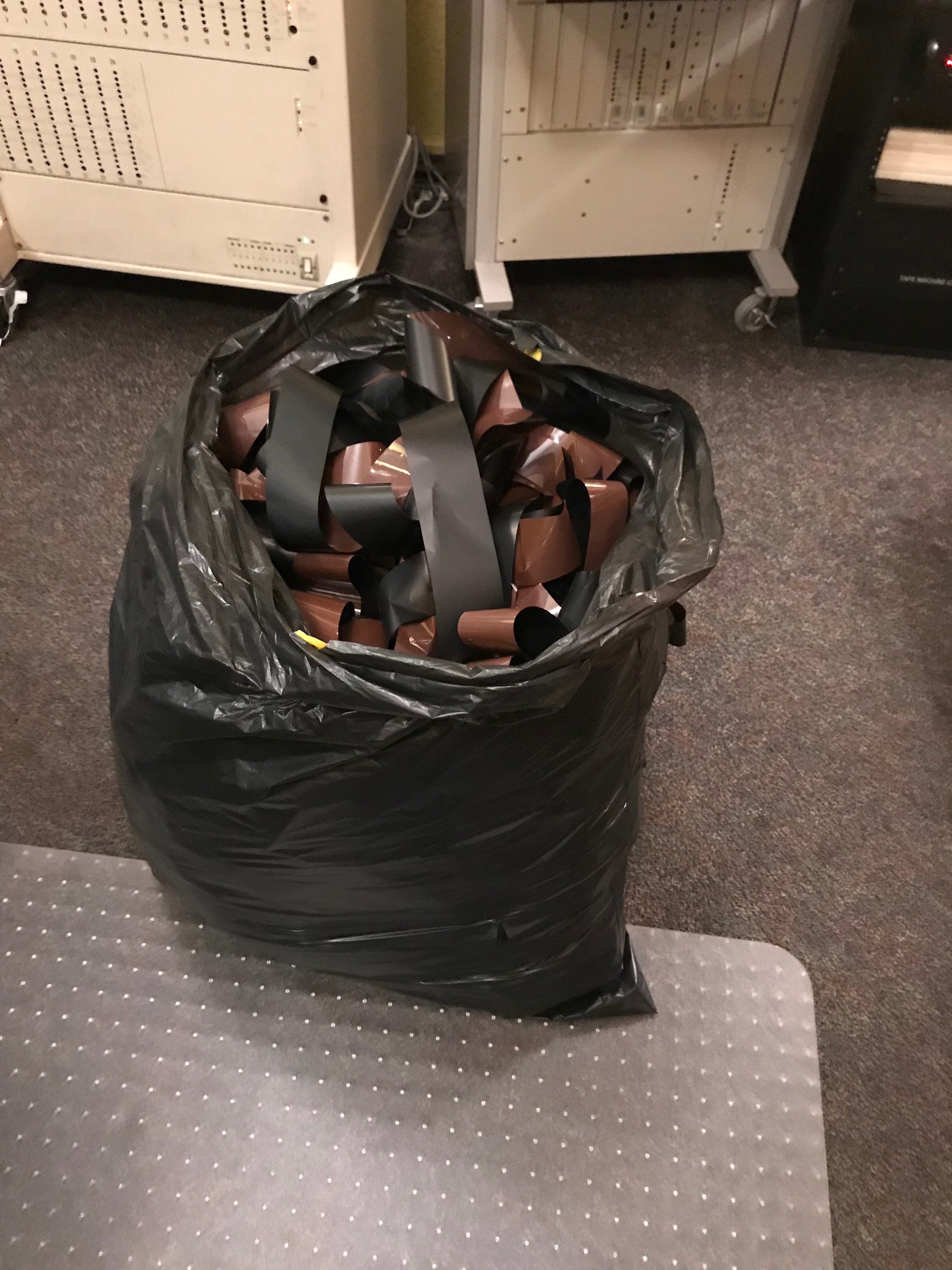
Tape Dumps!!!!!!