

Working with Both Analog & Digital: Hybrid Sessions (part 1)
We can combine the best of both worlds in a number of different ways. -by Larry Crane

Last week I mentioned I had an “all analog” session coming up. We wrapped that yesterday, and it was pretty fun. There were definitely a few times where I missed some of my digital tools, such as removing amp hum/buzz from guitars and bass, comping vocal takes, or doing some surgical de-essing, but overall the music came out the way the band and I wanted. It’s crazy how easy it is to slip back into splicing tape and coming up with tricky fader moves. But there are a multitude of ways that we combine digital and analog workflows at Jackpot! Recording Studio. Below are a few that we commonly use.
Analog Mixing of Digital Tracks - D to A to D
This is a fequent one for me, where we play tracks out of Pro Tools, through the Rupert Neve Designs RND5088 console, and print mixes back into Pro Tools. Analog effects can be added via aux sends and returns, and compressors and equalizers can be inserted between Pro Tools and the console. It’s a great way to build a hands-on mix and use less plug-ins. Benefits? Analog summing pulls sounds together in a more interesting way than digital summing. Outboard analog effects, like our plate reverb, sonically blow plug-ins out of the water. Disadvantages? Mix recalls generally require a whole new session and setup and never sound the same (which can also be a benefit!). A lot of musicians are so used to complete digital recall of a mix session that they cannot wrap their heads around the “finality” of an analog mix. Analog mixing can sometimes back you into a corner that’s hard to undo. If mix levels get too hot you have to pull all the faders down and sometimes the whole sound then changes.
Track to Tape then Dump to Pro Tools - A to D
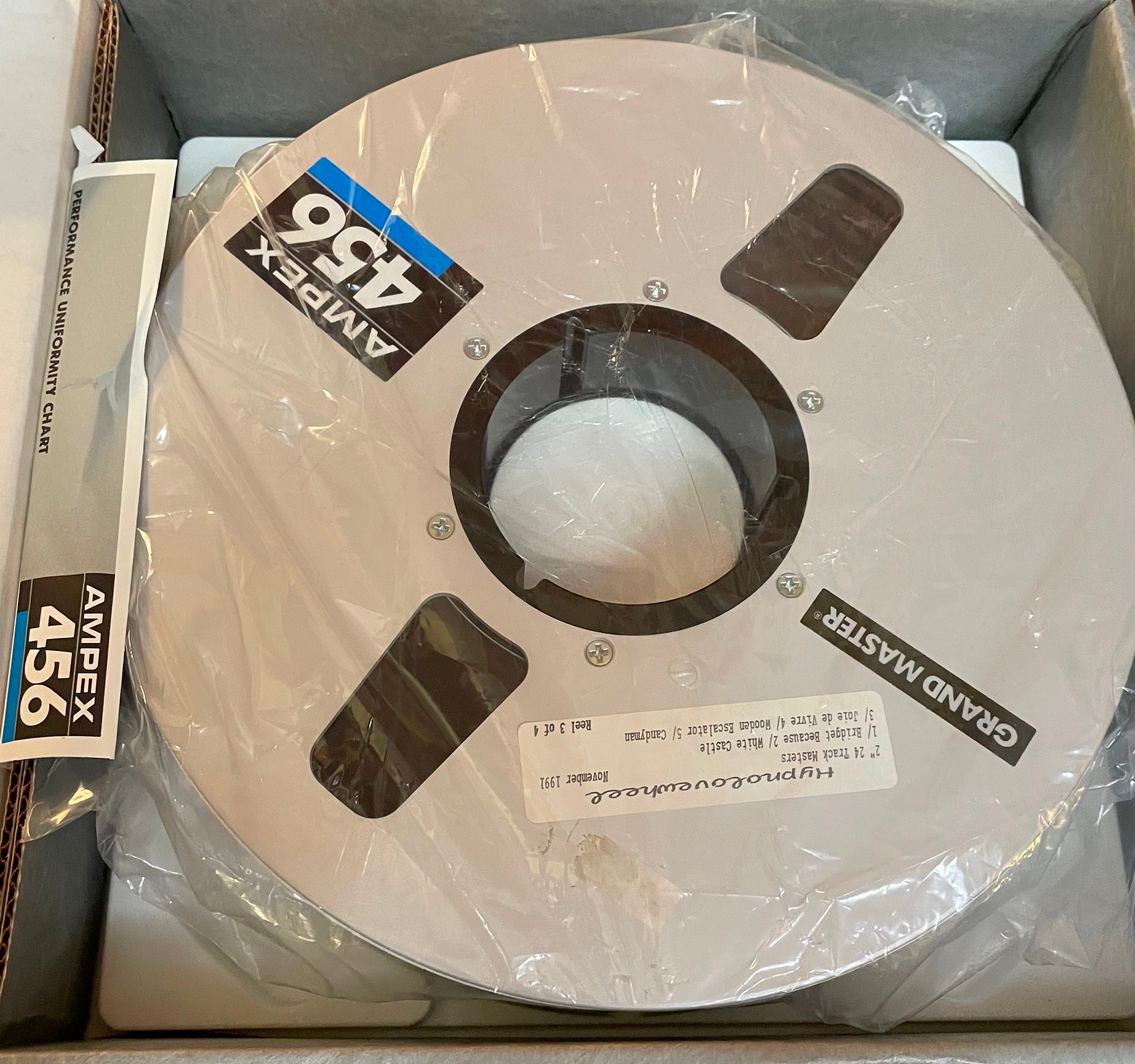
This is fun, and used to be more common at Jackpot! when digital to analog converters didn’t sound as good and we didn’t have two BURL B80 Mothership converters. Track the music live to tape for the basic tracks, then back up to Pro Tools and finish overdubs and edits there. We keep 2-inch “house reels” around for this. Benefits? Drums get that special tape compression/limiting sound. Bass guitars sound better. Groups of players seem to focus harder on getting good takes since they don’t have instant editing available (though they will after the tape dump). Disadvantages? Longer session setup time. Tape hiss can build up. More buttons to push.
Mix to Tape While Capturing to Pro Tools - A to D to D
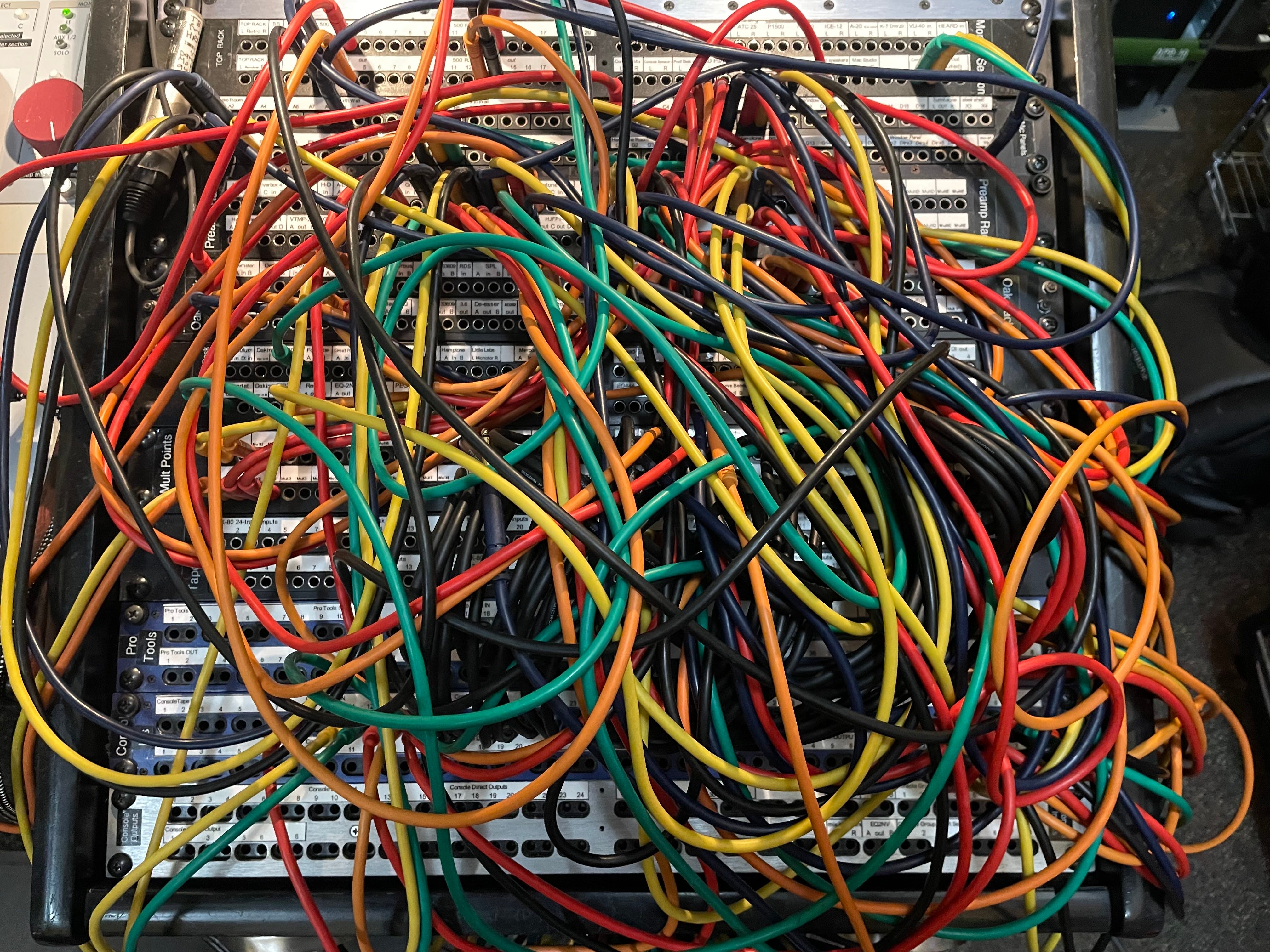
Here we’ll use the 1/4-inch tape deck as a processor. Basically we’ll send the mix to this 2-track deck while the output is set to the repro/playback head and the tape is in record. Then that signal off the tape deck is recorded back into Pro Tools. The tape is rewound every 16 or 33 minutes and kept running in record. We keep a 1/4-inch “house reel” around for this as well. We don’t use the reels as the final mix, but we capture the effect of mixing to analog. I’ll always print a straight mix off the console at the same time, and sometimes I actually like the sound of the non-tape mixes better. it’s just depends! Benefits? That special tape compression/limiting thing can increase the average volume of the music. Tape also imparts some EQ changes that might be good or bad. Other disadvantages? Tape hiss, for sure. Sometimes this just seems like too much in quiet sections. Hum. All tape decks seem to have a layer of hum in the background. More setup time. Twice the options for final mixes that have to be decided on.
Print “Pre-Mixes” to 2-inch Tape Then Mix Off That
This is way less common, but it’s been our main go-to on the Odelet sessions. I’ll prep the tracks off the DAW through plug-ins, automation, and various outboard gear (compression/EQ). Then these songs are printed to the multitrack. Then we mix off the 2-inch tape back into the console. It’s kinda like mixing in two stages. Odelet sessions have minimal track counts, but even the last session took me two days to prep and print a 33 minute album to tape. Disadvantages? All that time that’s needed. Only 24 tracks max! Added tape hiss. There are only two house reels! Benefits? The two stage process allows for several chances to influence the mix and understand the songs better, which – in the end – makes for better mixes. Commitment! Once it leaves digital there’s a lot less tomfoolery you can get up to.
I’ll be back next week with more Hybrid Analog/Digital possibilities. Thanks!